Fiumalta
Discover the Castagniccia: the blog
Castagniccia, Corsican history, chestnuts, walks and legends: articles from Fiumalta, the free multiplayer game set in a Corsican village.
-
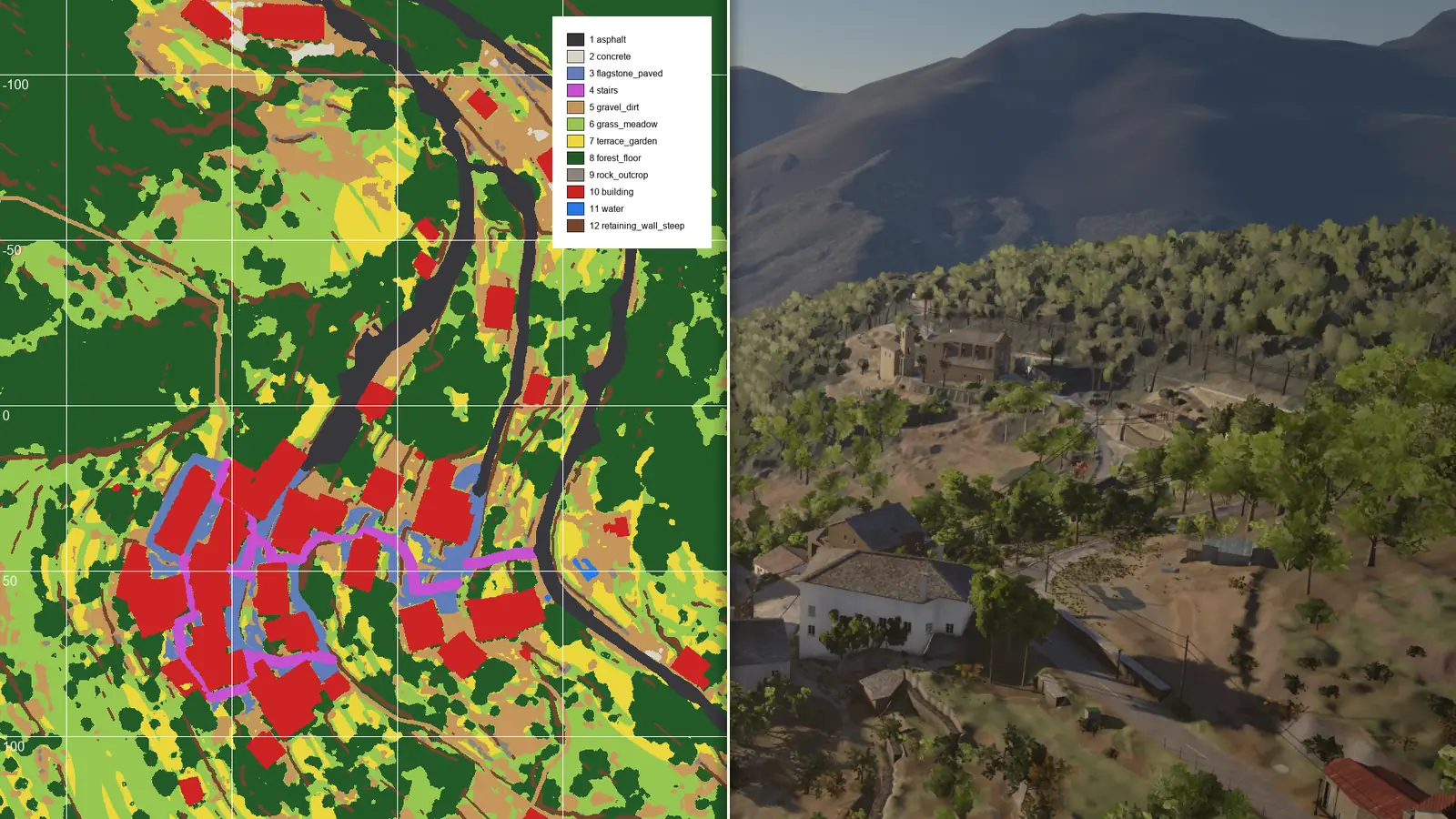 Rebuilding a whole village as a multiplayer game with AIOne person, helped by AI agents, rebuilt Scata, a real Corsican village: IGN LiDAR HD, agentic NPCs that talk, a free multiplayer browser game.Read the article
-
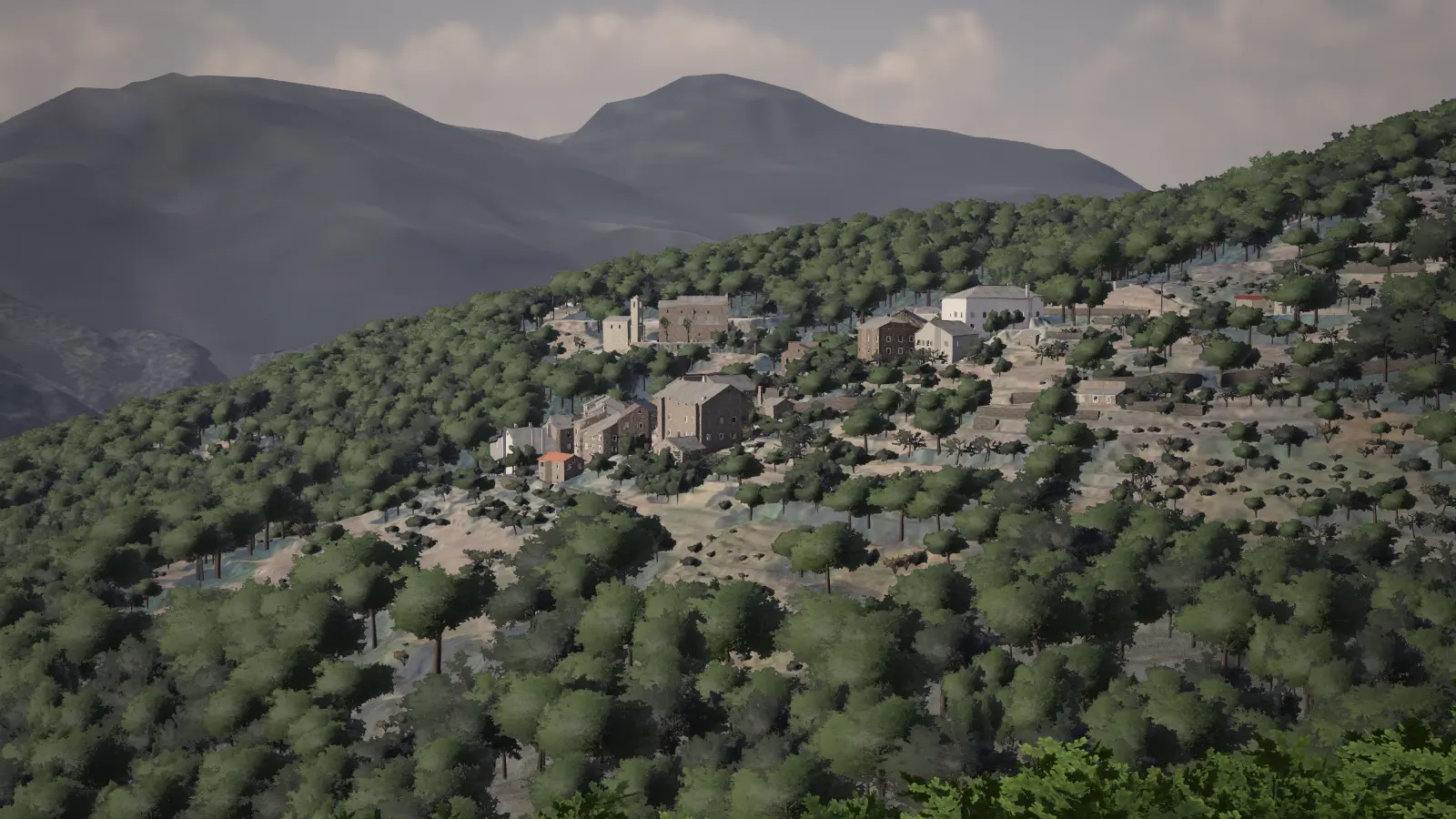 Castagniccia: what to see and do — a guide to its villages, convents and chestnut woodsWhat to do in Castagniccia, Corsica: Orezza and its convent, Piedicroce, La Porta, Morosaglia, Monte San Petrone and the Ampugnani villages, season by season.Read the article
-
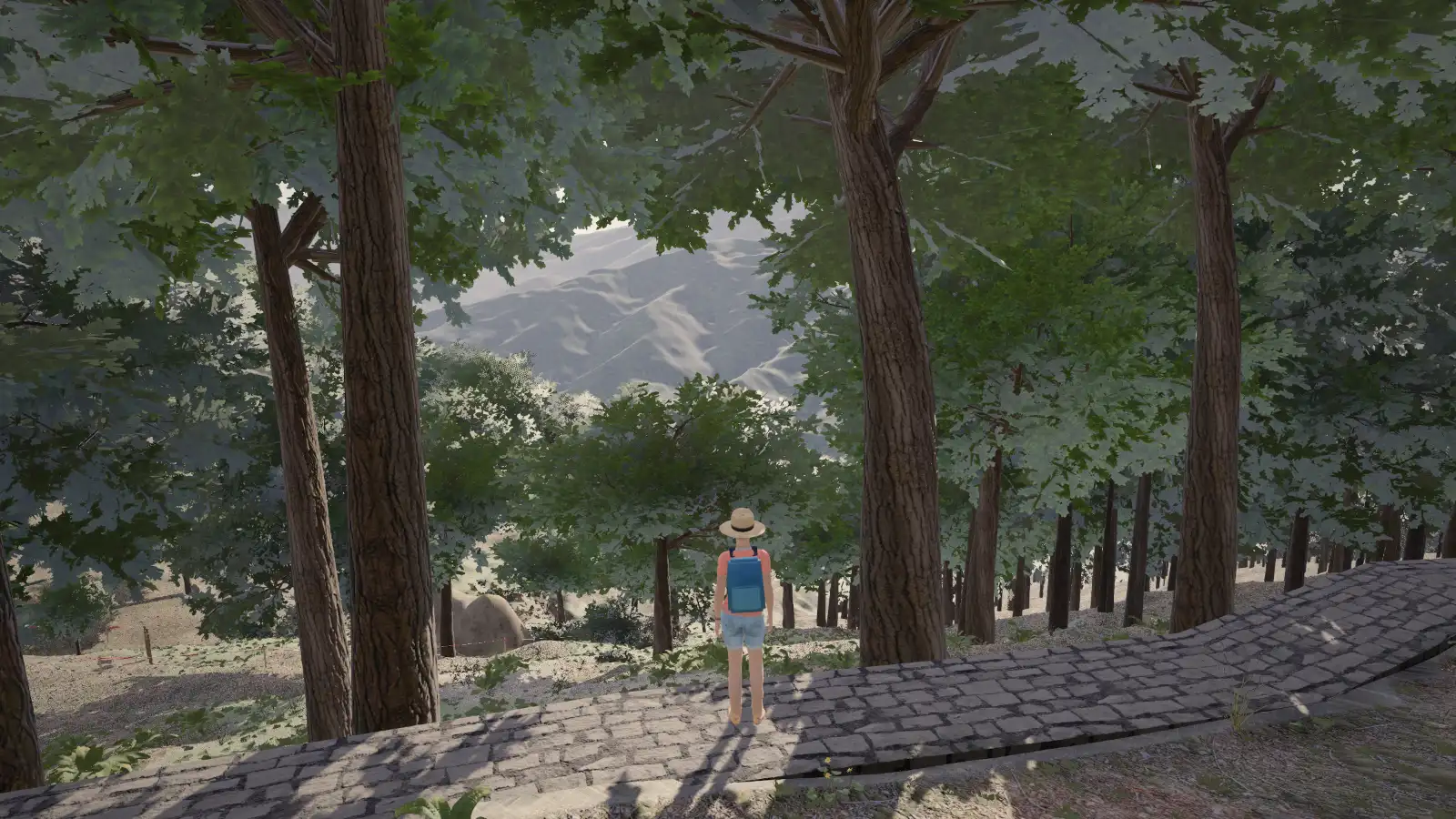 Hiking in the Castagniccia: 5 walks between hilltop villages and chestnut woodsCastagniccia hikes: Monte San Petrone, Sant’Angelo, Orezza, Carcheto and the Piazzole loop, with distances, climbs, times, seasons and walking tips.Read the article
-
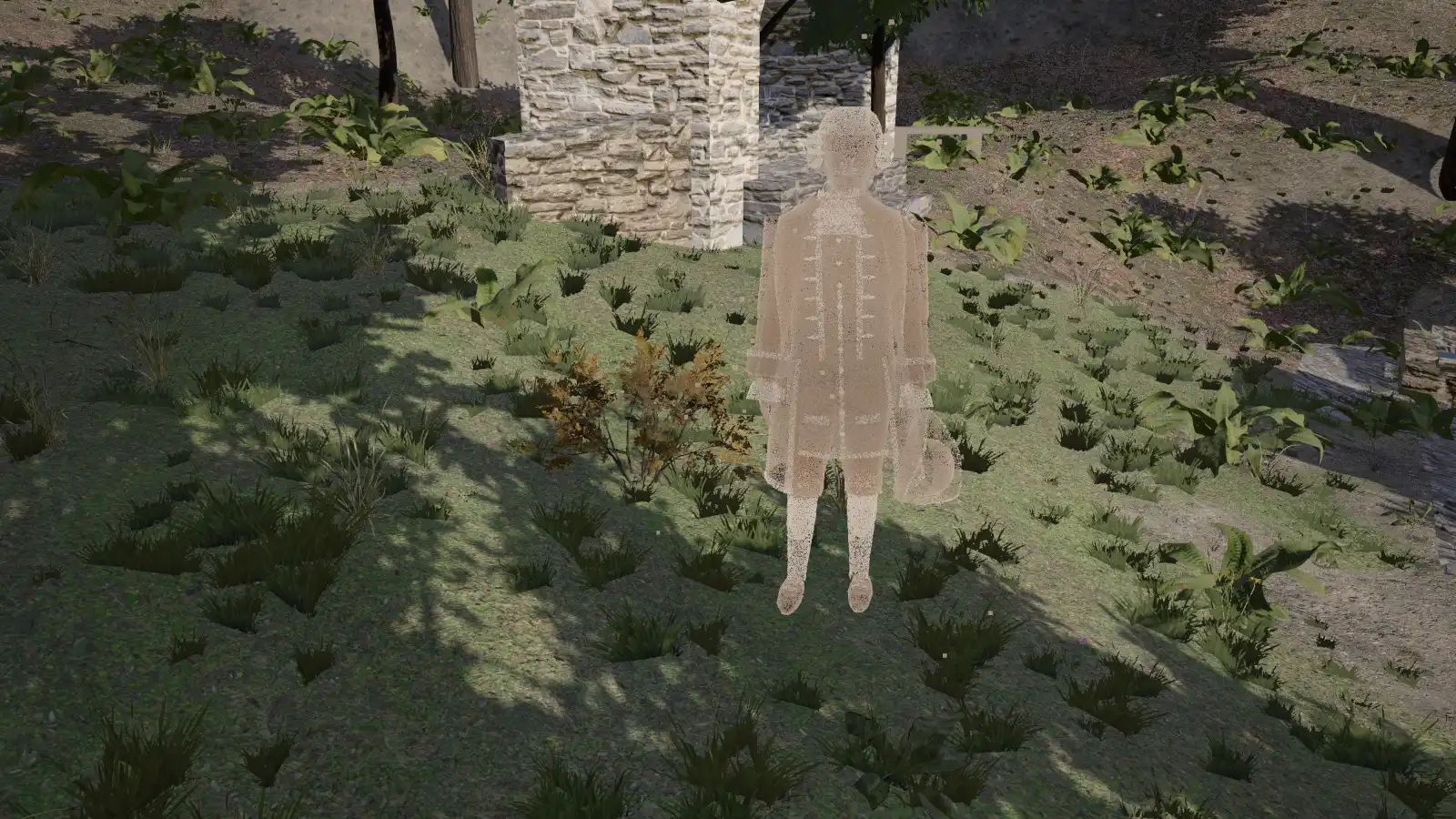 History of Corsica: from Pasquale Paoli to today, the key datesKey dates in the history of Corsica: the revolt against Genoa, Pasquale Paoli, Ponte Novu 1769, Aléria, the FLNC, the statutes and autonomy, told straight.Read the article
-
 The Corsican chestnut: history, AOP flour, festivals and recipesThe Corsican chestnut: the Castagniccia’s bread tree, drying house and mill, AOP chestnut flour, the season’s festivals and recipes from pulenda to nicci.Read the article
-
 Corsican culture and legends: paghjella, mazzeri, evening gatherings and the Corsican languagePaghjella singing, the mazzeri dream hunters, the veghja and its tales, Castagniccia legends, the feasts of the year and the Corsican language, with sources.Read the article
-
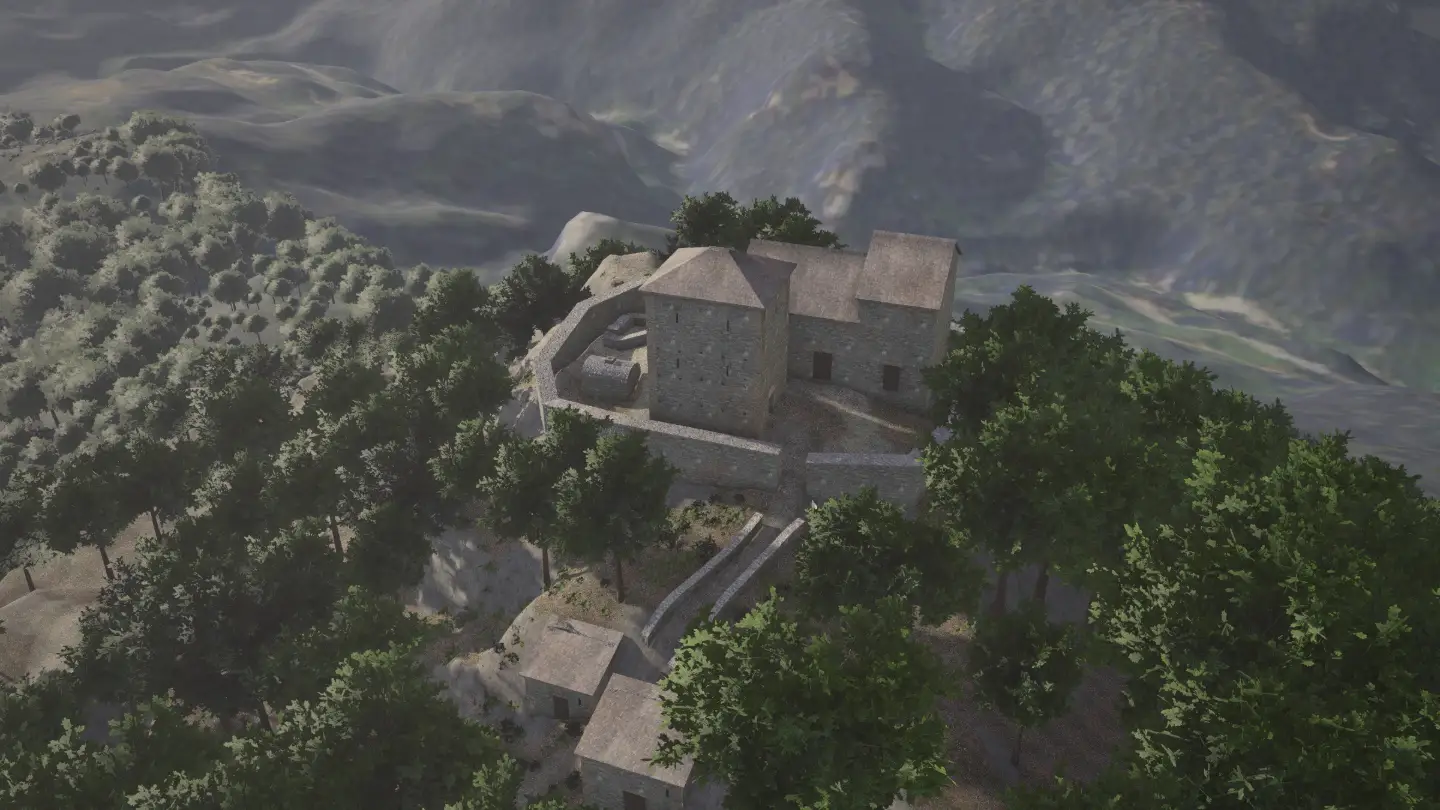 The castellu di Lumitu and the chapel of San Martinu: the Cortinchi lords’ castle at ScataThe Cortinchi lords’ castle at Scata, Corsica, “newly built” in 1289, and its chapel of San Martinu: history, digs, legends and how to walk there.Read the article
-
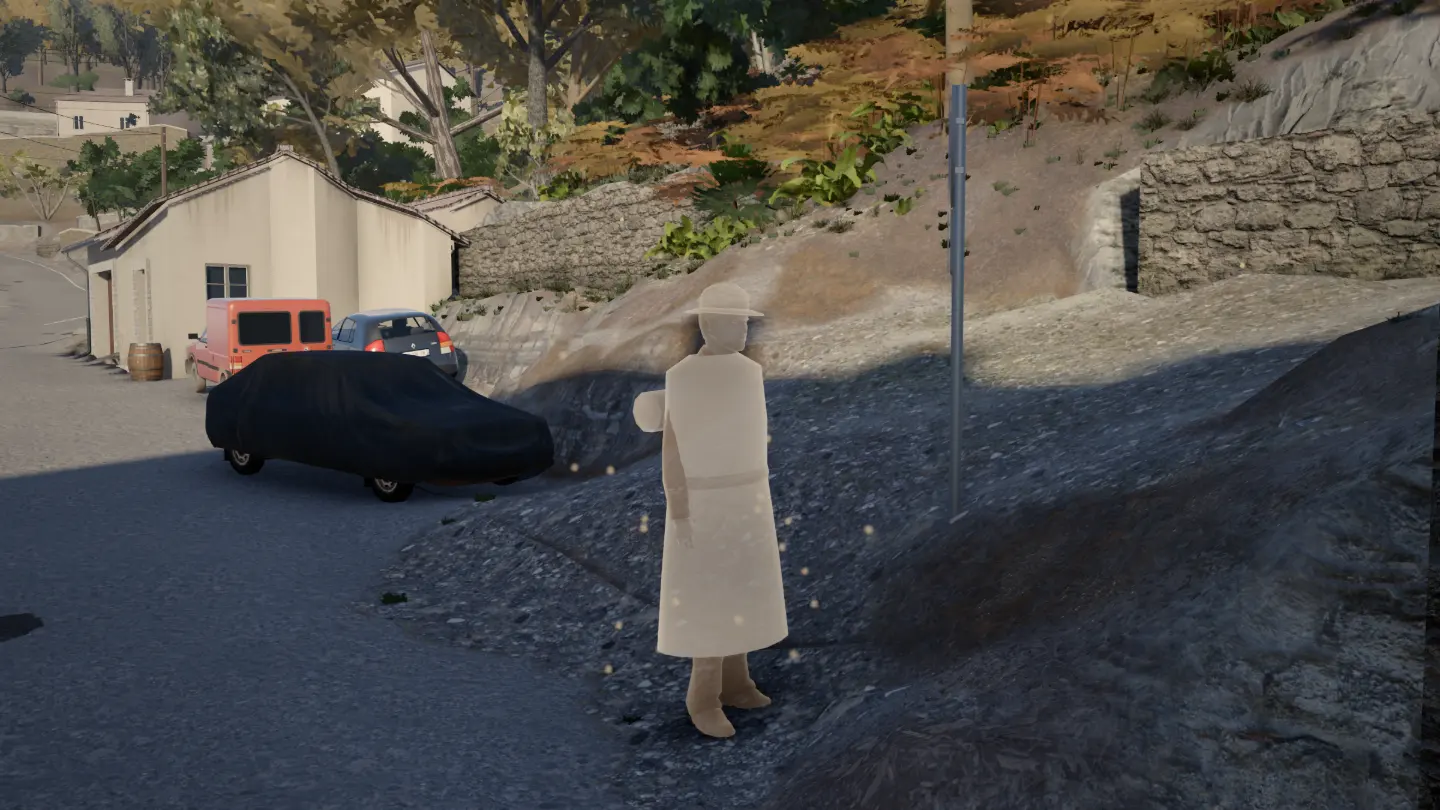 Scata and the Castagniccia in the Great War: the soldier of 1916, the war memorials and the memory of the villagesScata in the Great War: 170 people in 1911, 124 in 1921, a plaque in the church. Corsica in WWI, its dead, its villages, and a WWI soldier you can talk to.Read the article
-
 The Corsican flag: the origin and meaning of the Moor’s head, from Aragon to Pasquale PaoliThe Corsican flag’s Moor’s head: its Aragonese roots, Theodore of Neuhoff in 1736, Paoli’s flag of 1762, the blindfold myth, the legends and its use today.Read the article