9 min read
Castagniccia: what to see and do — a guide to its villages, convents and chestnut woods
What to do in Castagniccia, Corsica: Orezza and its convent, Piedicroce, La Porta, Morosaglia, Monte San Petrone and the Ampugnani villages, season by season.
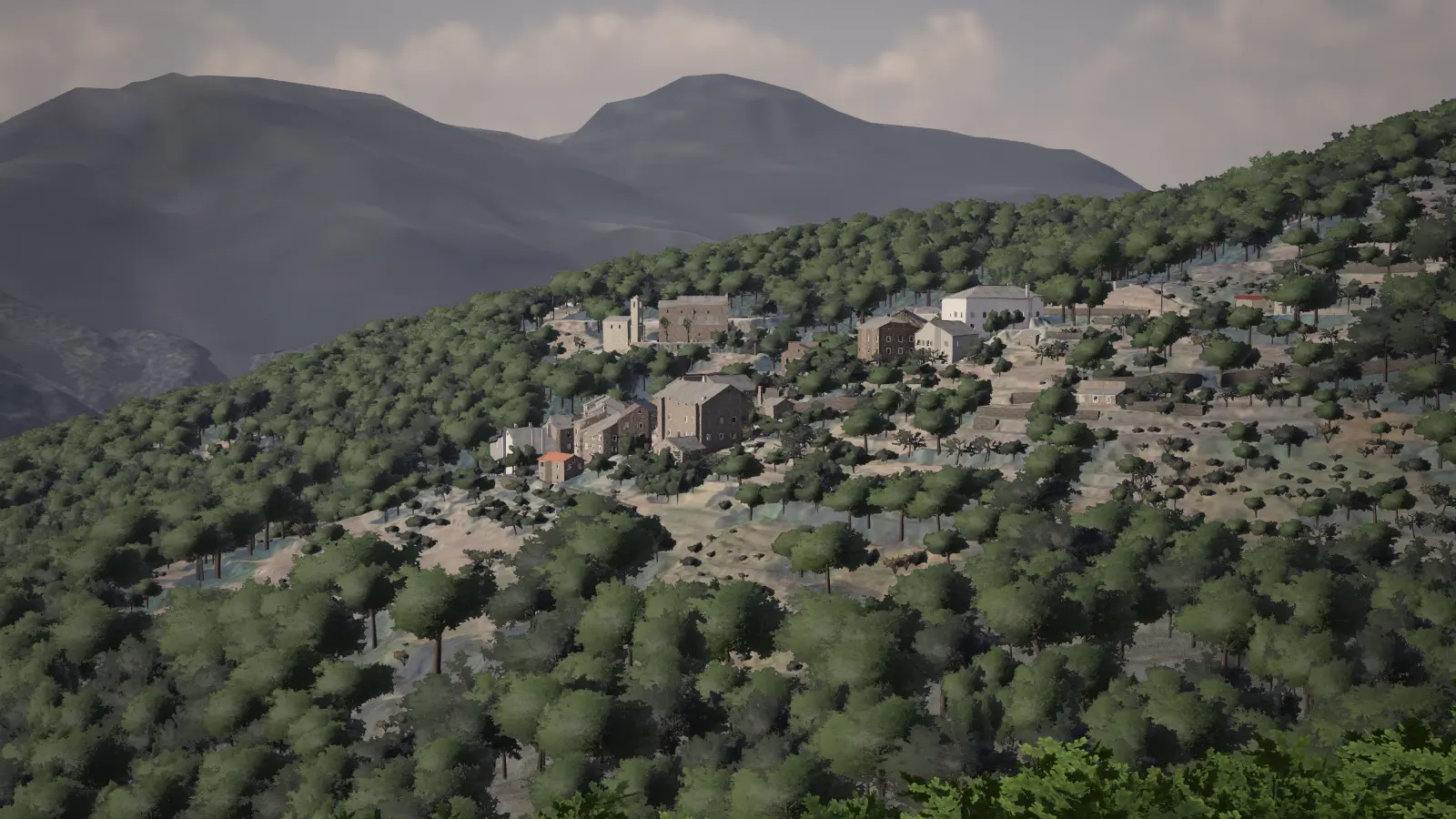
The Castagniccia is not a place you visit like a beach. You come for schist villages clinging to the slope, Baroque churches bigger than the hamlets they serve, convents where Corsica’s history was decided and, everywhere, the chestnut forest. This guide gathers what to see and do in the Castagniccia, from the Orezza spring to the top of Monte San Petrone, with practical tips for every season.
The Castagniccia in brief
The Castagniccia covers the mountains of north-eastern Corsica, in Upper Corsica (Haute-Corse), between the eastern plain and the Golo valley, around Monte San Petrone (1,767 m). Its name comes from the Corsican castagnu, the chestnut tree: it is literally “the chestnut country”. The tree was long nicknamed “the bread tree”, and its nut “the bread of the poor”.
The landscape comes down to three words: schist, chestnuts, hilltop villages. In the old pieve (parish district) of Ampugnani, villages, hamlets, chapels and convents are stepped between 300 and 900 metres on the sunniest slopes; seen from above, they are small grey spots of glistening schist in the dark green of the chestnut trees. The houses are tall, packed in terraced rows, roofed with stone slabs.
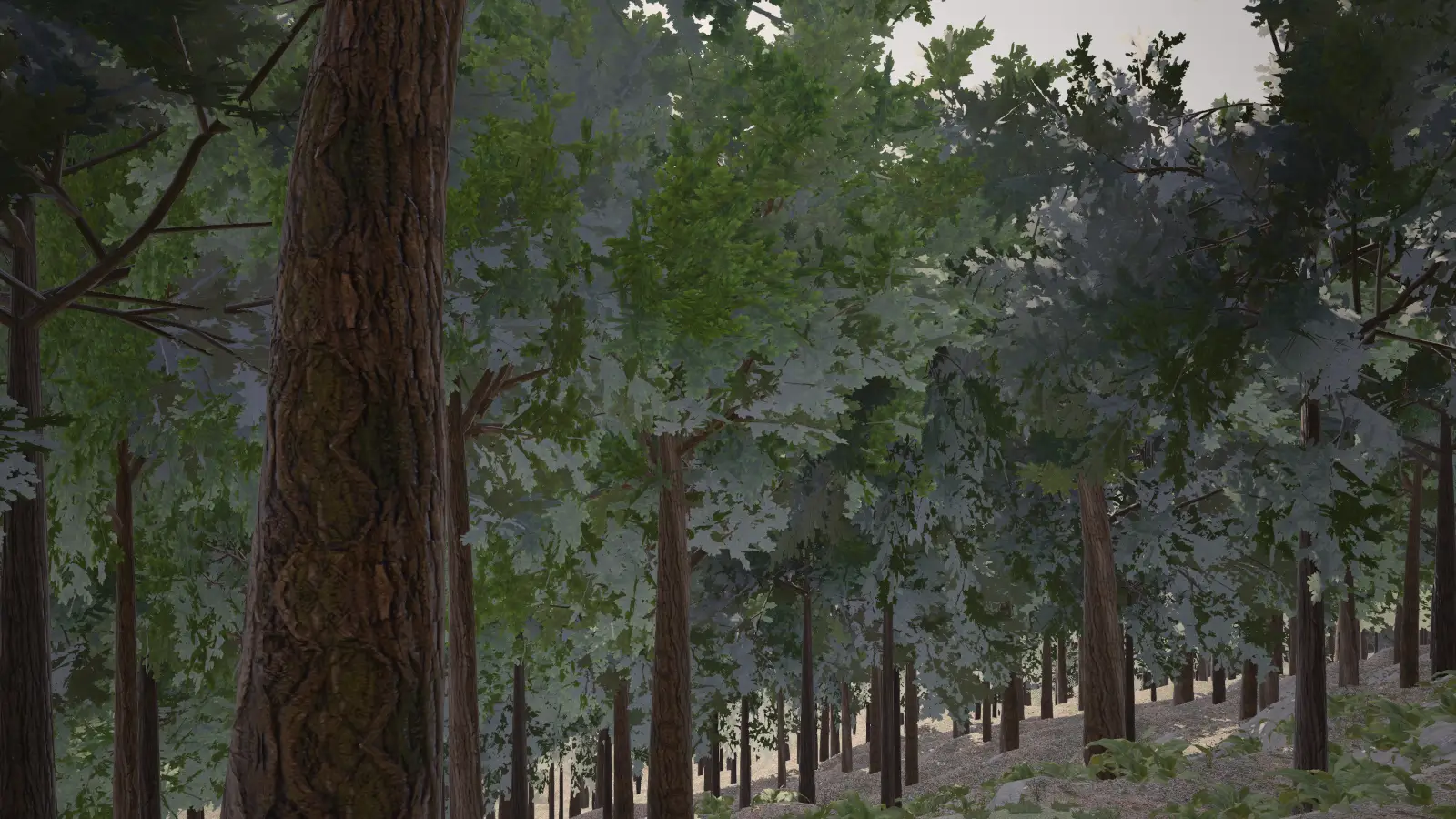
This was also one of the most populous and busiest parts of the island. In 1786, the Plan Terrier census counted almost half of Corsica’s craftsmen in fourteen villages of the Castagniccia. In the 16th century the chronicler Giustiniani praised the Ampugnani’s healthy air, its grain, chestnuts and woods, and “the best cherries of the island”. The rural exodus of the 20th century emptied the villages, and the less-tended chestnut groves spread over the old terraces. A large natural area of ecological interest, the “Châtaigneraies de la Petite Castagniccia”, covers over 10,500 hectares in 43 communes, about 60 % of it chestnut grove.
Orezza: the spring, the convent and Piedicroce
Orezza water
At the head of the Fium’Alto valley, at Rapaggio, rises Orezza water, naturally sparkling and rich in iron. Its exploitation was authorised in 1856. In the spa era, the neighbouring village of Stazzona was nicknamed “little Paris”: hotels, a casino, coaches to Bastia and guides with horses to ride up San Pietro, as a 1910 guidebook describes it. The villagers let their rooms to spa visitors and slept in their own cellars or attics. Earlier, in Pasquale Paoli’s time, Stazzona had been the island’s main centre for making arms and knives.
The Orezza convent, a landmark of Corsican history
In the commune of Piedicroce, at 680 m, beside the D71 road, stand the ruins of the Orezza convent. Founded in 1485 by Observant friars, it later passed to the Franciscans. It was here, in April 1731, that theologians gathered around Canon Orticoni declared the cause of the Corsicans in revolt against Genoa “holy and just”. In January 1735 an assembly (consulta) elected three Generals of the Nation, voted the text of a constitution and placed the Corsican people under the protection of the Virgin: 8 December became the old Corsican national feast. In 1751 Gian Pietro Gaffori was elected general here; in September 1790 another consulta handed all powers to Pasquale Paoli, who had come to take the Orezza waters in 1765.
The decline began in 1832, when the French state sold the building. The gendarmerie used it until 1934, when the roof collapsed. During the Second World War the Italian occupiers stored food and ammunition there, and the convent was destroyed in 1943: the French Wikipedia articles disagree on who blew it up, the Italians as the Germans approached or the Germans themselves. In April 2026 it was chosen by France’s heritage lottery to be secured and restored.
Piedicroce
Piedicroce sits on a ridge at 636 m. Its church of Saints Peter and Paul, dated 1691, has been a listed historic monument since 1976, like the confraternity chapel of Santa Devota built against it. Several trails start from the village, including the three loops of the Orezza trail, run by the Corsica Regional Nature Park.
A few kilometres away, Carcheto (Carchetu) keeps its 17th-century Baroque church of Sainte-Marguerite, listed, whose paintings have never been restored; the Struccia waterfall; and the old hollow chestnut tree called Mal’Cunciliu, in which people see the shapes of a devil and of witches. Its legend is recent: a novelist wrote it in the 20th century, and it was later set to song.
La Porta and the villages of the Ampugnani
La Porta (A Porta, “the door”) is said to owe its name to the days before roads, when it was the doorway of the mule tracks climbing from Bastia and the plain to the chestnut country. Its church of Saint-Jean-Baptiste, built between 1700 and 1725 and listed in 1975, is a masterpiece of Corsican Baroque; its 45-metre campanile is said to be the tallest in Corsica. In 1863 the abbé Galletti described La Porta, then the seat of its canton, with its court, seminary, well-stocked shops and a bell tower “the most beautiful in Corsica”.
All around, the old pieve of Ampugnani reveals itself village by village:
- Casabianca: at the convent of Saint-Antoine, founded around 1420, a consulta elected Pasquale Paoli General of the Nation on 15 July 1755 (the place is disputed: other accounts say Caccia or Orezza). A plaque has marked it since 1936.
- Casalta takes its name from a 15th-century tower-house, the Casa Alta. On a nearby promontory, the Romanesque ruins of Santa Maria Assunta (12th century), once the mother church of the whole Ampugnani, are a listed monument.
- Piano (U Pianu), across the valley, is “the village of mills”: its cellars still hold millstones, the big ones for chestnut flour, the small ones for oil. It also has carved wooden doors and a sundial.
- Ficaja has fourteen fountains and wash-houses, toured by doing “the round of the fountains”, and a shared bakehouse with its ovens side by side, the Forni Impicciati.
- Polveroso was a village of basket-makers, who wove sportelli, oval baskets of chestnut shoots that a picker could lean on during the harvest.
- San-Damiano keeps its church of Saints Cosmas and Damian and its bell tower of about thirty metres, from 1744. In 1849 a priest wrote a 711-stanza poem there about “the war for the organ”. In the nearby hamlets: the chapel of St Anthony of Padua at Bonifacio, dated 1748, and the chapel of Notre-Dame-des-Neiges at Alzi, from 1766.
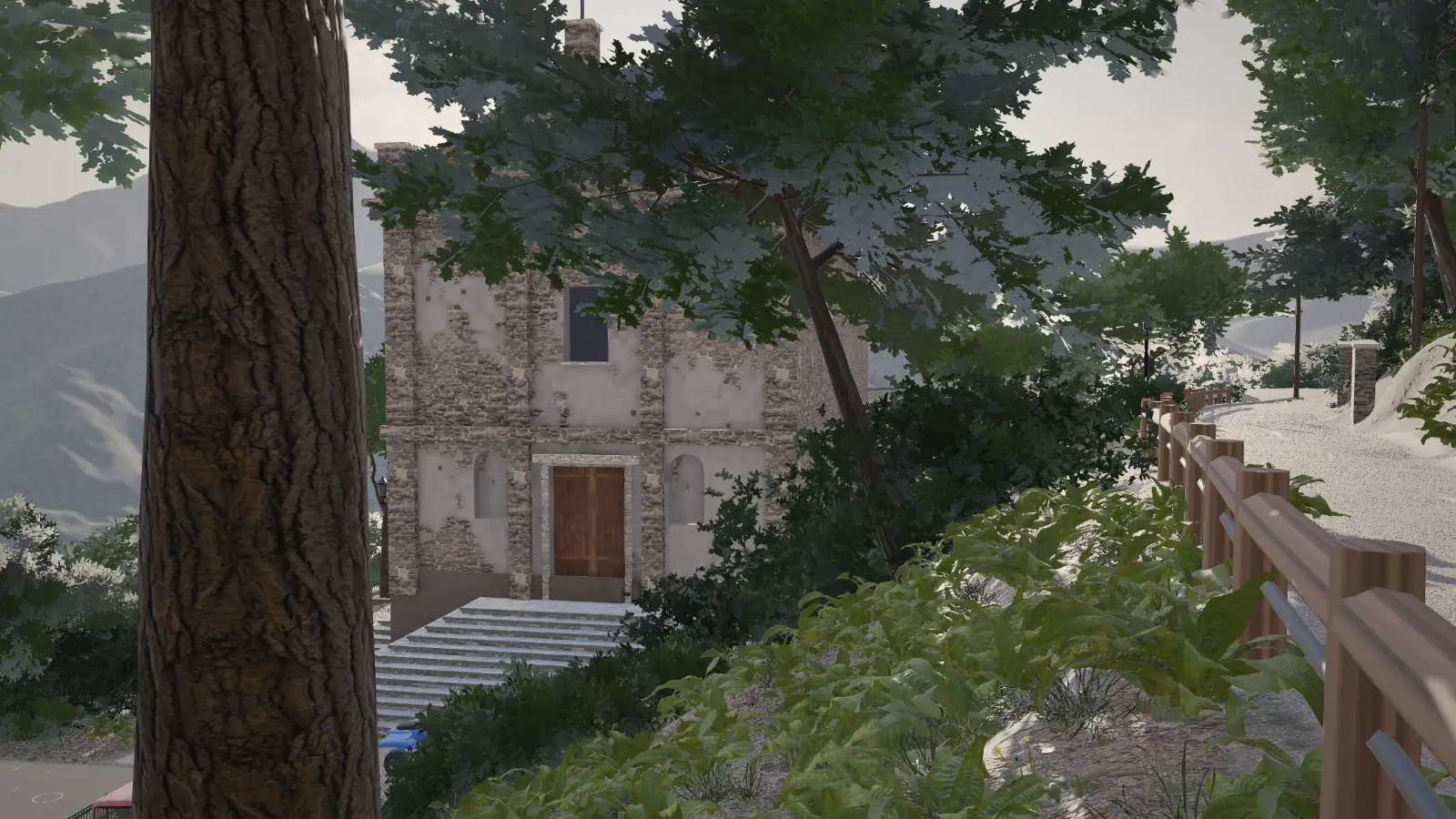
- Scata, home to about forty people (41 at the 2023 census), packs its tall schist houses with stone-slab (lauze) roofs onto the west slope of a spur, above the chestnut groves on the right bank of the Fium’Alto. 150 m to the north, alone on the tip of the spur, the church of Sainte-Cécile, first mentioned in 1646, turns its Baroque front and two-flight stair towards the D36; it keeps a painted wooden tabernacle from the late 16th century, classified as a historic monument in 2006. Beside it, the penitents’ chapel of Santa Croce has a bell tower built after 1870.
- Silvareccio: from the col de Sant’Agostino the view stretches to the sea and the Tuscan islands; on 28 August the mass of Sant’Austinu is sung there in canturia, the polyphony of the mass.
This is also the country of Countess Mathilde, a 10th-century lady known from two disputed charters, whose gardens, towers and trout pond oral tradition still points out in several villages. Her story and legends are told in our article on Corsican culture and legends.
Morosaglia, Pasquale Paoli’s country
In the old pieve of Rostino, on the western side of the range, Morosaglia is the birthplace of Pasquale Paoli, born in 1725 in the hamlet of Stretta. His house, a big square building roofed with stone slabs, is now the Pasquale Paoli museum; it has been a listed monument since 1975, and its ground floor holds the general’s tomb, his remains having come back from London in 1889. The village’s Franciscan convent, built in the 17th century, has a bell tower of 1705.
The bridge of Ponte Novu, where the French army defeated the Corsican troops on 8 and 9 May 1769, spans the Golo below the Rostino. The whole story, from Paoli to today, is in our article on the history of Corsica and its key dates.
Monte San Petrone and the col de Prato
At 1,767 m, Monte San Petrone, formerly called “the mountain of Accia”, is the highest summit of the Castagniccia. A metal cross, an orientation table and an image of St Peter crown the top; on a clear day the view takes in the eastern plain, the Biguglia lagoon, Cap Corse and Monte Cinto. The statuette, stolen around 2010, replaced in 2013 and then damaged, was remade in 2017 and flown up by helicopter.
The trail starts from the col de Prato (Bocca di u Pratu, 980 m) and crosses the beech and chestnut forest of San Pietro d’Accia. Not far from the pass, above 1,000 m, lie the ruins of San Petru d’Accia, the old cathedral of the diocese of Accia, created in 1133 and merged into Mariana in 1563. Allow about 13 km there and back and 5 hours’ walking: the details are in our guide to hiking in the Castagniccia.
On the last weekend of July the pass hosts the Fiera di a Bocca di u Pratu, billed as the island’s biggest livestock fair: contests of cattle, Corsican rams, goats and horses, Corsican songs in the evening, a sung mass at San Petru d’Accia and a race to the summit.
What to do in each season
- Spring: the chestnuts come into fresh green leaf in May, the asphodel flowers around Easter, the hoopoe and the cuckoo call. On Easter Monday the merendella brings families together for a picnic in the countryside.
- Summer: the villages fill up and hold their fêtes: San-Damiano’s on 27 July, the col de Prato fair at the end of July, Sant’Austinu at Silvareccio on 28 August. At 500 m the July and August means stay around 21 °C, with average highs of 26 °C (La Porta normals). From 1 July to 30 September all use of fire is banned in Corsica.
- Autumn is chestnut season: the nuts fall from mid-October, the drying-house fires are lit again, and ceps and chanterelles appear if the rain returns. St Martin’s day (11 November) and St Cecilia’s (22 November) fall in the middle of the harvest. Wild boar hunting has been open since 15 August: take care in the woods on drive days.
- Winter belongs to the tumbera, the pig-killing season of the figatellu sausage, to chestnut-flour pulenda and, some years, to snow above 400 or 500 m. December is the wettest month.
The chestnut deserves a trip of its own: its history, its AOP flour and its recipes are in our article on the Corsican chestnut.
Practical information
- Getting there: fly into Bastia-Poretta airport or sail into Bastia, then follow the eastern plain and the Orezza road (D506), which climbs the Fium’Alto valley from Folelli. Piedicroce is about 38 km from the airport and 56 km from Bastia.
- You need a car: there is no regular bus to most villages. The roads are narrow and winding; two villages facing each other can be four kilometres apart as the crow flies and nearly twenty by road.
- On the road, free-roaming cows and pigs are common: drive slowly, especially on bends.
- Respect the land: many sites (chapels, ruins, chestnut groves) are on private land. Close gates behind you, do not pick up chestnuts in tended groves, and never light a fire.
Discover it in the game
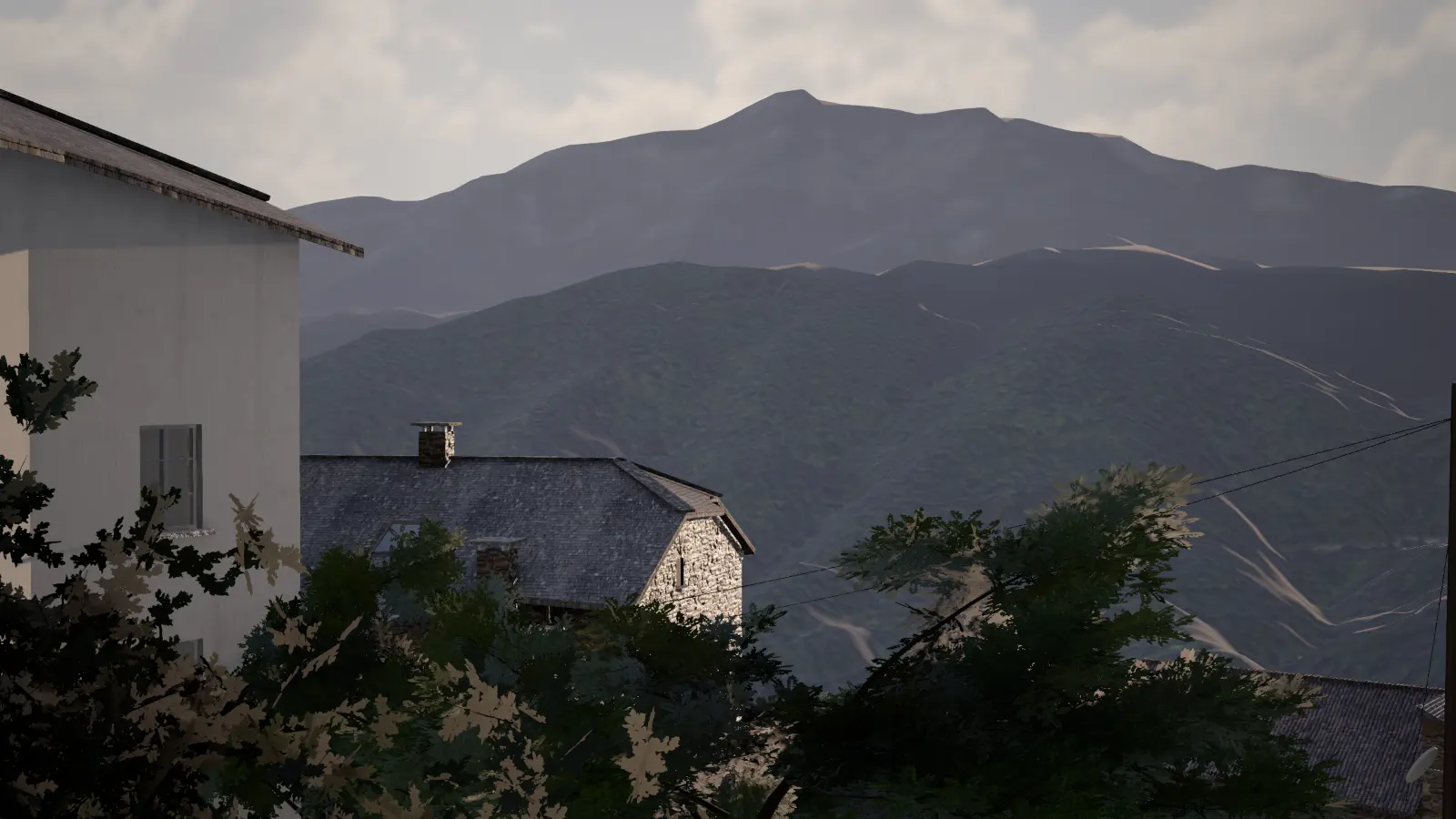
Want to walk through a Castagniccia village before you go? Fiumalta is a free multiplayer game that rebuilds a village of the Ampugnani from French open map data (IGN): schist lanes, stone-slab roofs, the chestnut forest, Monte San Petrone on the skyline. Its AI villagers answer you out loud and know about Countess Mathilde, the feasts of the year and the history of the pieve; one of them, a retired schoolteacher, even takes your group on a tour of the village. It is a game, not an exact copy of reality, but it is a fine way into the chestnut country, alone or with friends.
Read more
- Hiking in the Castagniccia: 5 walks between hilltop villages and chestnut woods
- History of Corsica: from Pasquale Paoli to today, the key dates
- The Corsican chestnut: history, AOP flour, festivals and recipes
- Corsican culture and legends: paghjella, mazzeri, evening gatherings and the Corsican language
- The castellu di Lumitu and the chapel of San Martinu: the Cortinchi lords’ castle at Scata
- Scata and the Castagniccia in the Great War: the village’s soldier, the war memorials and the memory of the villages
- Rebuilding a whole village as a multiplayer game with AI
Sources
- Wikipédia (French), « Castagniccia »
- Wikipédia (French), « Couvent d’Orezza »
- Wikipédia (French), « Piedicroce »
- Wikipédia (French), « Morosaglia »
- Wikipédia (French), « Stazzona »
- Wikipédia (French), « Église Saint-Jean-Baptiste de La Porta »
- Wikipédia (French), « Ampugnani »
- INSEE, « Dossier complet – Commune de Scata (2B273) », 2023 census
- POP (French Ministry of Culture), parish church of Sainte-Cécile, Scata, IA2B001166
- POP (French Ministry of Culture), tabernacle of the church of Sainte-Cécile, Scata, PM2B000782
- POP (French Ministry of Culture), penitents’ confraternity chapel of Sainte-Croix, Scata, IA2B001165
- Wikipédia (French), « Monte San Petrone »
- Wikipédia (French), « La Porta » (natural environment, ZNIEFF)
- Communauté de communes de la Castagniccia-Casinca, « Découvrir les communes »
- Castagniccia Mare e Monti tourist office, « Carchetu e Brusticu »
- Visit Corsica, « Fiera di a Bocca di u Pratu »
- L’info durable, « Corse : l’avenir des eaux d’Orezza pérennisé pour 4 ans »
- Corse Net Infos, « San Damianu : mobilisation autour de Saint Côme et Saint Damien », 2013
- Horizon Rando, « Monte San Petrone »
- Météo-France 1981–2010 normals for La Porta (Wikipedia, « La Porta »)
- Abbé J.-A. Galletti, Histoire illustrée de la Corse, 1863, pp. 198–199